
Wondering how to get your baby to sleep through the night? This post is for you.

DISCLOSURE This post may contain affiliate links, meaning if you decide to make a purchase via my links, I will earn a commission at no extra cost to you. As an Amazon Associate, I earn from qualifying purchases. Thank you for your support.
Disclaimer: The information provided in this blog post is for educational purposes only and should not be used as a substitute for professional medical advice, diagnosis, or treatment. Always seek the guidance of your pediatrician or qualified healthcare provider with any questions you may have regarding your child’s health. If you think your child may have a medical emergency, call your doctor or emergency services immediately. Read our full Medical Disclaimer here.
It’s 3 AM. You’ve been up twice already. Your baby is crying again, and you’re so exhausted you can barely remember your own name. You find yourself wondering: Will my baby ever sleep through the night?
The answer is yes. Your baby will sleep through the night. And while I can’t promise it will happen tomorrow, I can tell you that with the right understanding, realistic expectations, and some proven strategies, you can help your baby get there—often sooner than you think.
This guide will walk you through everything you need to know: what “sleeping through the night” actually means, when you can realistically expect it, and the specific steps you can take to help your baby become a better sleeper. This post is all about how to get your baby to sleep through the night.
What Does “Sleeping Through the Night” Actually Mean?
Let’s start by clearing up a common misconception. When pediatricians and sleep experts talk about a baby “sleeping through the night,” they don’t mean 12 uninterrupted hours. For infants, sleeping through the night typically means a stretch of 5-6 hours without waking to feed.
That might sound disappointing if you were hoping for 7 PM to 7 AM, but here’s the good news: as babies grow and develop, that stretch naturally lengthens. By 6 months, many babies can sleep 6-8 hours at a stretch. By 9-12 months, sleeping 10-12 hours overnight becomes realistic for many children.
It’s also important to understand that all humans—babies, children, and adults—wake briefly between sleep cycles. The difference is that adults know how to fall back asleep without fully waking up. Babies need to learn this skill. When we talk about a baby who “sleeps through the night,” we often mean a baby who wakes between cycles but can settle back to sleep independently, without needing a parent to intervene.
When Do Babies Sleep Through the Night?
Every baby is different, and there’s a wide range of normal. That said, here’s what development and research tell us:
Newborns (0-3 Months)
Newborns aren’t developmentally capable of sleeping through the night, and that’s completely normal. Their tiny stomachs need frequent feedings—typically every 2-4 hours around the clock. They also haven’t yet developed circadian rhythms, so they don’t know the difference between day and night. During this stage, your goal isn’t to get your baby sleeping through the night; it’s to establish healthy sleep foundations and survive. Expect to be up multiple times each night, and know that it won’t last forever.
3-4 Months
Around 3-4 months, many babies begin to consolidate their sleep, meaning they can sleep for longer stretches. A 4-month-old may be able to go 4-6 hours between nighttime feedings. This is also when many pediatricians say it’s okay to stop waking a baby to feed—as long as they’re gaining weight appropriately, you can let them sleep. However, this is also when the infamous 4-month sleep regression often hits, which can temporarily derail progress.
4-6 Months
By 4-6 months, most healthy, full-term babies are developmentally capable of sleeping a long stretch at night—often 6-8 hours—without needing to eat. This is also the age range when many families choose to begin sleep training if their baby hasn’t naturally started sleeping longer stretches. Babies at this age still need 1-2 night feedings in many cases, but some may be ready to drop them.
6-12 Months
By 6 months, many babies are capable of sleeping through the night without any feedings, though some may still need one feeding until 8-9 months. Once babies are established on solid foods and getting adequate nutrition during the day, nighttime feedings become less about hunger and more about habit or comfort. Most pediatricians agree that a healthy baby in this age range doesn’t need to eat overnight from a nutritional standpoint.
The bottom line? Many babies can sleep through the night by 4-6 months, but whether they will often depends on their sleep habits and whether they’ve learned to fall asleep independently.
Why Your Baby Isn’t Sleeping Through the Night
If your baby is old enough to sleep longer stretches but isn’t, there’s usually a reason. Here are the most common culprits:
Sleep Associations
This is the number one reason babies wake frequently at night. A sleep association is anything your baby relies on to fall asleep—being fed, rocked, held, or having a pacifier. The problem isn’t the association itself; it’s that when your baby wakes between sleep cycles (which all babies do), they need that same condition to fall back asleep. If your baby fell asleep nursing in your arms and wakes up alone in a crib, they’re confused and upset. They need you to recreate those conditions before they can sleep again.
Overtiredness
It seems counterintuitive, but an overtired baby often sleeps worse, not better. When babies stay awake too long, their bodies produce cortisol (a stress hormone) to keep them going. This makes it harder to fall asleep and stay asleep. Overtired babies often fight bedtime, wake more frequently at night, and wake too early in the morning.
Undertiredness
On the flip side, a baby who isn’t tired enough at bedtime will struggle to fall asleep and may wake during the night ready to play. This often happens when babies nap too much during the day, nap too late in the afternoon, or are put to bed too early for their age.
Hunger
Young babies genuinely need to eat overnight. If your baby is under 4 months, is going through a growth spurt, or isn’t getting enough calories during the day, hunger may be a legitimate reason for night waking. However, by 6-9 months, most healthy babies can go 10-12 hours without eating if they’re getting adequate nutrition during daytime hours.
Sleep Environment Issues
A room that’s too bright, too quiet, too hot, or too cold can disrupt sleep. Inconsistent sleep environments—falling asleep in one place and waking in another—can also cause problems.
Developmental Milestones and Regressions
Babies often experience temporary sleep disruptions when they’re learning new skills like rolling, crawling, or walking. Sleep regressions at 4 months, 8 months, 12 months, and 18 months are common and can interrupt previously good sleep patterns.
Strategies to Help Your Baby Sleep Through the Night
Now for the part you’ve been waiting for. Here are proven strategies that can help your baby learn to sleep longer stretches:
1. Create an Optimal Sleep Environment
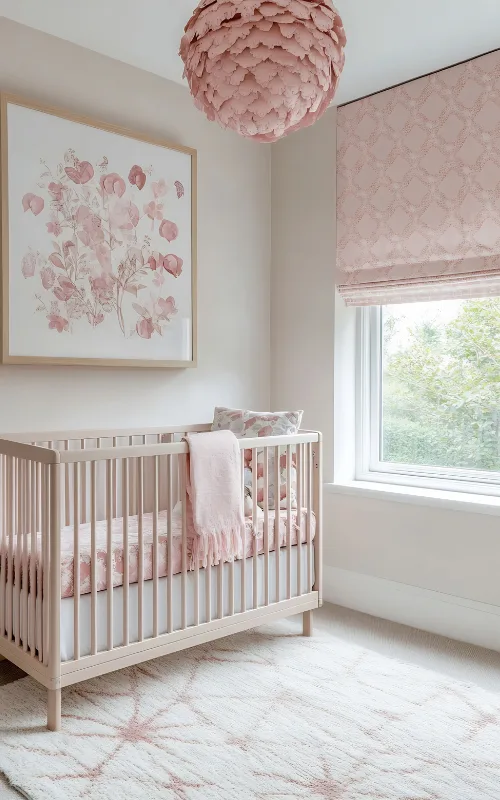
Your baby’s room should be dark—really dark. Even small amounts of light can interfere with melatonin production and signal to your baby’s brain that it’s time to be awake. Use blackout curtains or shades to block outside light. Keep the room cool (68-72°F is ideal for most babies) and consider using white noise to mask household sounds and create a consistent auditory environment. The white noise should be about the volume of a shower and can run all night.
2. Establish a Consistent Bedtime Routine
A predictable bedtime routine signals to your baby that sleep is coming. Keep it simple and repeatable: bath, pajamas, feeding, book, song, bed. The routine should be calming, last about 20-30 minutes, and end in the room where your baby will sleep. Do the same routine in the same order every night. Consistency is key.
3. Put Your Baby Down Drowsy But Awake
This is perhaps the most important skill for sleeping through the night. If your baby falls asleep in your arms and then wakes in the crib, they don’t know how they got there. But if they fall asleep in the crib, waking there in the middle of the night feels normal. After your bedtime routine, place your baby in the crib while they’re sleepy but still awake enough to know where they are. This teaches them to make the transition from awake to asleep on their own—a skill they’ll use when they wake between sleep cycles at night.
4. Watch Wake Windows
Timing matters enormously for baby sleep. Put your baby down too early, and they won’t be tired enough. Wait too long, and they’ll be overtired. Learn the appropriate wake windows for your baby’s age—the amount of time they should be awake between sleep periods. For example, a 4-month-old typically does well with 1.75-2.25 hours of awake time, while an 8-month-old might need 2.5-3.5 hours. When you nail the timing, falling asleep becomes much easier.
Our free guide below has all the age-appropriate wake windows for your child. Get our complete sleep schedule guide with exact bedtimes, wake windows, and nap times for every age. If you prefer to have the schedule in Portuguese or Spanish, send an email to amanda@wisdomforfamilies.com requesting it.
5. Differentiate Day and Night
Help your baby learn the difference between day and night. During the day, keep things bright and active—open the curtains, don’t tiptoe around during naps, and engage with your baby during awake time. At night, keep things dim, calm, and boring. When you feed or change your baby overnight, do so with minimal stimulation. Don’t turn on bright lights, don’t talk much, and don’t play. The message should be clear: nighttime is for sleeping.
6. Optimize Daytime Feedings
Make sure your baby is getting enough to eat during the day so they’re not genuinely hungry at night. For older babies, this means full feedings rather than snacking throughout the day.
7. Address Sleep Associations Gradually
If your baby relies on feeding, rocking, or being held to fall asleep, you’ll need to help them learn new ways to drift off. This doesn’t have to happen all at once. You might start by rocking until drowsy rather than fully asleep, then gradually reduce the rocking over time. Or you might separate the last feeding from bedtime by 20 minutes so your baby doesn’t associate eating with falling asleep. Small, gradual changes add up.
8. Be Consistent with Your Response
Whatever approach you take, consistency matters more than the specific method you choose. If you sometimes rock your baby to sleep and sometimes let them fuss, you’re sending mixed signals. Decide on your approach and stick with it. Babies learn quickly when expectations are clear and consistent.
Should You Sleep Train?
Sleep training is a personal decision, and there’s no one right answer for every family. Some babies learn to sleep through the night with minimal intervention. Others need more structured help. If your baby is 4-6 months or older, is healthy and gaining weight well, and is still waking frequently at night, sleep training may be worth considering.
There are many different methods, ranging from very gentle (like gradual retreat or the chair method) to more structured (like timed checks). The best method is the one that works for your baby’s temperament, your parenting philosophy, and your ability to be consistent. What matters most is that your baby learns the skill of falling asleep independently—how you teach that skill can look different for different families.
If you’re feeling overwhelmed by the options or unsure where to start, working with a sleep consultant can help. A professional can assess your specific situation, help you choose an appropriate method, and support you through the process.
When to Talk to Your Pediatrician
While most night waking is behavioral and can be addressed with the strategies above, sometimes there’s a medical reason for poor sleep. Talk to your baby’s doctor if you notice: persistent snoring or gasping during sleep, excessive sweating at night, difficulty breathing, significant reflux or spitting up/vomiting, signs of illness like fever or ear pulling, or if your baby seems to be in pain when lying down. Your pediatrician can rule out issues like sleep apnea, reflux, ear infections, or other medical conditions that might be disrupting sleep.
You Can Do This
This post was all about how to get your baby to sleep through the night. I know how hard sleep deprivation is. I know how long the nights feel when you’re up for the third or fourth time. But I also know that sleep can get better. Babies are capable of learning to sleep well, and with the right approach, you can help yours get there.
Start with the foundations: a good sleep environment, a consistent routine, and age-appropriate timing. Work on putting your baby down drowsy but awake. Be patient and consistent. And remember that progress isn’t always linear—there will be bumps along the way, especially during developmental leaps and sleep regressions.
If you’ve tried everything and you’re still struggling, don’t be afraid to ask for help. Sometimes an outside perspective and a customized plan make all the difference.
Ready for better sleep? If you’re exhausted and need a clear path forward, I can help. My sleep consulting packages include a complete assessment of your baby’s sleep challenges, a customized sleep plan designed for your family, and ongoing support as you implement it. Learn more about how we can work together, or reach out with questions. Better nights are possible—let’s get there together.




Leave a Reply