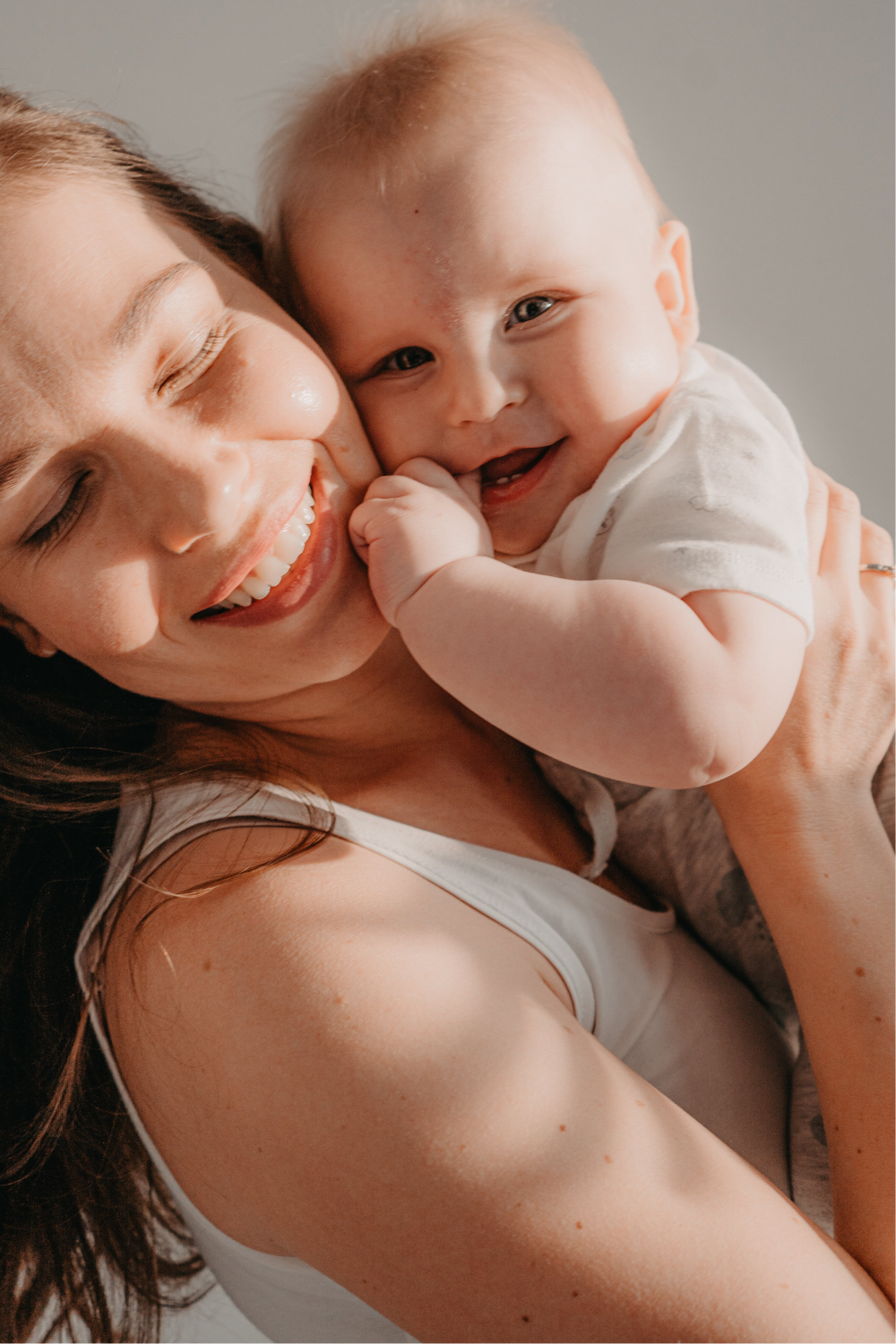
Are you wondering what the best time is to potty train your toddler? Winter might be just the best season.

DISCLOSURE This post may contain affiliate links, meaning if you decide to make a purchase via my links, I will earn a commission at no extra cost to you. As an Amazon Associate, I earn from qualifying purchases. Thank you for your support.
Disclaimer: The information provided in this blog post is for educational purposes only and should not be used as a substitute for professional medical advice, diagnosis, or treatment. Always seek the guidance of your pediatrician or qualified healthcare provider with any questions you may have regarding your child’s health. If you think your child may have a medical emergency, call your doctor or emergency services immediately. Read our full Medical Disclaimer here.
The best time to potty train your toddler might be Winter. Why? Winter offers the perfect conditions for toilet training success. Families who start potty training during the colder months might have smoother transitions to a diaper-free life.
However, I know what you’re thinking. Every Pinterest board and mommy blog tells you that Summer is THE time to potty train. You hear advice like, “Let your toddler run around naked in the backyard! Fewer clothes mean faster bathroom access!” While these points sound logical, they overlook several crucial factors that actually make winter the superior choice.
Let me explain why the chilly months set your child up for potty training success. This post is all about the best time to potty train.
You might also like to read our post about What Time Should My Baby Go to Bed? Age-by-Age Bedtime Guide, and Natural Fever Reducer for Kids: Safe Comfort for Unwell Little Ones.
Best Time to Potty Train: Your Family Stays Home More
Not sure if your little one is ready to ditch the diapers? Grab my free Potty Readiness Checklist to find out in under two minutes—no guessing required.
Winter naturally keeps families indoors and close to the bathroom. This proximity matters enormously during the early days of training when your child needs to reach the toilet within seconds of recognizing that “gotta go” feeling.
During summer, families constantly move between pools, parks, beaches, and backyards. Each location change disrupts your child’s routine and puts distance between them and a familiar toilet.
In winter, these disruptions don’t exist. You spend more time at home, where your child knows exactly where the bathroom is. You maintain consistent routines. Your toddler practices on the same toilet, in the same environment, day after day. This consistency accelerates learning dramatically.

Best Time to Potty Train: Fewer Distractions Compete for Attention
Potty training requires your toddler to tune into subtle body signals while simultaneously stopping whatever activity currently holds their attention. Summer makes this incredibly difficult.
Think about everything competing for your child’s focus during warm months: sprinklers, swimming pools, sandbox play, neighborhood kids running through yards, ice cream trucks, and endless outdoor adventures. When your toddler splashes in a kiddie pool, they simply cannot prioritize internal body cues over external excitement.
Winter strips away many of these distractions. Indoor play tends towards calmer activities, such as puzzles, coloring, and building blocks. Your child sits more, which actually helps them notice bladder sensations. Without the call of outdoor adventures, your toddler can focus on learning this important new skill.
Starting potty training before your child is truly ready can lead to weeks of frustration, power struggles, and setbacks. Download my free Potty Readiness Checklist so you can start at the right time and set your toddler up for success.
Best Time to Potty Train: Holiday Breaks Provide Extended Training Time
Most families get extra time off during the winter holiday season. Whether you celebrate Christmas, Hanukkah, or simply enjoy year-end vacation days, this break offers something precious: uninterrupted days at home with your child.
Successful potty training requires intensive focus during the initial days. You need to watch your child constantly, catch early signals, and rush them to the bathroom repeatedly. This vigilance proves nearly impossible while juggling work schedules and daycare drop-offs.
Holiday breaks give you three, five, or even ten consecutive days to devote to training. For example, if a family starts on December 23rd or 24th, when possible, by New Year’s Day, their toddlers might have mastered the basics and can return to daycare with confidence.
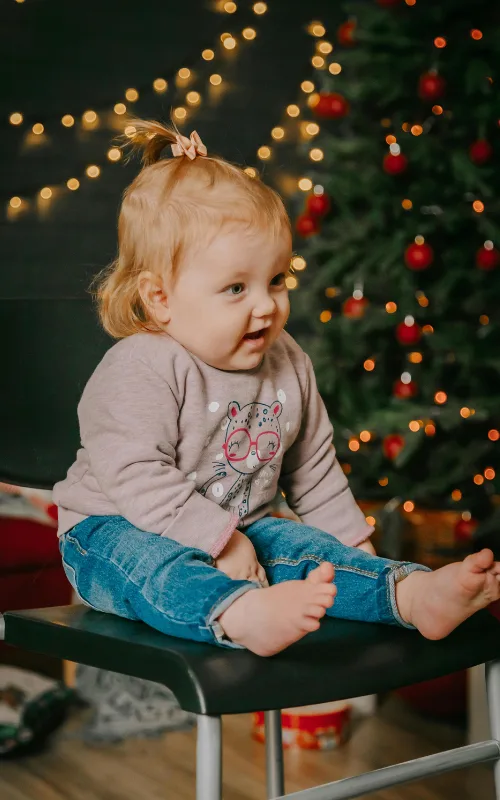
Clothing Actually Works in Your Favor
The “naked method” summer advocates promote doesn’t teach children to manage real-world bathroom trips that involve clothing. Eventually, your child must learn to pull down pants, sit, and pull them back up.
Winter clothing, particularly elastic-waist pants or fleece pants, provides excellent practice for this essential skill. Yes, your child wears more layers overall, but modern winter clothing features easy-pull designs. Each bathroom trip becomes a complete learning experience rather than an artificial naked scenario.
Children trained during winter have fewer regression issues when the seasons change. They’ve already mastered the clothing aspect, so transitioning to shorts and sundresses requires no adjustment.
Hydration Patterns Support Training
Children naturally drink more water during hot summer months and may urinate more frequently and unpredictably. Winter brings more moderate fluid intake and more predictable bladder patterns.
Predictability helps both you and your child. You can anticipate when bathroom trips will likely occur based on when they last drank. This allows you to be proactive rather than reacting to accidents. Your child also experiences more consistent sensations, making it easier to recognize and remember what a full bladder feels like.
The Practical Reality of Accidents
Accidents will happen during potty training regardless of the season. However, winter accidents can be easier to manage than summer ones.
During summer, urine puddles on hot surfaces create immediate odor problems. Accidents in car seats during road trips to the beach become cleanup nightmares. Wet swimsuits mask accidents entirely, preventing learning opportunities.
Winter accidents typically occur on indoor surfaces that can be cleaned immediately. Your child wears underwear and pants that clearly show when accidents happen, providing instant feedback. You won’t find dealing with mysterious wet spots in the minivan.
Starting Now Sets Up Summer Freedom
Here’s my favorite benefit of winter training: your child enters summer fully potty trained and confident. Imagine actually enjoying pool days, beach trips, and backyard barbecues without diaper bags and changing stations.
Families who train in summer often spend the entire season managing training rather than enjoying activities. They finally achieve success just as temperatures drop and everyone heads back indoors anyway. Training in winter completely flips this situation.
Conclusion
This blog post was all about the best time to potty train. If your child shows readiness signs and falls between ages two and three, consider starting your potty training journey this winter. Choose a stretch of days when you can stay home consistently. Stock up on training pants, cleaning supplies, and patience.
Create a calm, focused environment free from the chaos and excitement that summer brings. Use these quieter months to help your child master this important developmental milestone.
By the time warm weather arrives, you’ll pack for the park with a confident, trained child. That freedom makes every winter training effort worthwhile.
Ready to see where your toddler stands? Download the free Potty Readiness Checklist and get a clear picture of whether it’s go-time or if waiting a few more weeks will make the whole process smoother.



Leave a Reply